

Understanding eczema to regain control naturally
Why do I have eczema?
Eczema or atopic dermatitis is linked to 3 main elements:
A genetic predispositionIf you (or your child) suffer from eczema, it is primarily because there is a genetic predisposition to it. Indeed, genetically the outer barrier of the skin (the epidermis) is too permeable and no longer plays its role as a barrier. It lets escape the water necessary for the skin's good health and allows external elements (allergens, bacteria, which will trigger a defense reaction) to pass through. Still linked to genetics, atopy is accompanied by an immune system that overreacts to the slightest attack: in the presence of an element, sometimes trivial but considered harmful, the system goes into world war mode and tries to knock down everything in its path. The result: inflammation beneath the skin barrier which manifests as eczema flare-ups that burn and itch.
Triggers
All elements perceived as dangerous will trigger an immune response. These elements, called triggers, can be allergens (food, environmental), chemicals, microbes, or even bacteria…
Aggravating factors
And finally, some factors act as catalysts or aggravating factors. These include stress, hormonal imbalance, scratching, or friction.
Common triggers and catalysts of eczema

In adults:
- Food allergies or intolerances (to nuts, gluten, etc.)
- Imbalance of the intestinal flora
- Environmental allergies (Furry or feathered pets, Mites, All kinds of pollen, Molds)
- Temperature changes
- Hormonal imbalances (Premenstrual, Pregnancy, Puberty, or Menopause)
- Stress
- Scratching (worsens by damaging the skin and can also allow bacteria to enter under the skin)
- Imbalance of the skin microbiota
- Food allergies
- Drooling (due to a pH that is too high compared to the skin)
- Teething (immune system response)
- Childhood diseases
- Vaccinations (allergy / immune system response)
- Insect bites
- Stress (separation, arrival of little brother or little sister)
Strategy #1 to get rid of eczema: strengthen the epidermis

As we mentioned earlier, at the heart of the problem is an overly porous skin barrier. Schematically, the epidermis can be described as a wall made of bricks and cement that provides waterproofing. Science tells us that in people with eczema, the cement, which provides the waterproofing, is of poor quality and does not perform its role well. Strengthening this skin barrier is therefore at the heart of any lasting solution to prevent eczema flare-ups. Now, the lipid cement that makes up the epidermis is made of essential fatty acids, cholesterol, and collagen. So it is an excellent idea to strengthen the epidermis with the best that nature has to offer in this field: Organic virgin cold-pressed oils.
These oils consist of essential fatty acids with multiple virtues and some have the ability to penetrate the upper barrier and nourish it.
Studies have shown that hydrating babies during the first 6 months of their life reduces by 2 the risks of eczema. Other studies have shown that good hydration reduces the frequency of flare-ups and decreases the amount of anti-inflammatory (cortisone) needed to manage them.
Strengthening the epidermis is therefore an important pillar in managing eczema.
But it's not enough just to hydrate, but also to do it in the most optimized way possible: with products ofexcellent quality that do not contain no harmful elements and that areorganic origin.
The power of virgin oils organic

Because they consist of fatty acids (which are one of the components of the epidermis), are plant-derived, and can be chosen 100% organic, vegetable oils are the best options to strengthen the skin barrier. Some are nourishing like shea butter or sesame oil, others are anti-inflammatory properties like rosehip oil or hemp oil and others naturally soothing such as calendula flower macerate or tamanu oil. Finally, some even have repairing such as sea buckthorn or evening primrose.
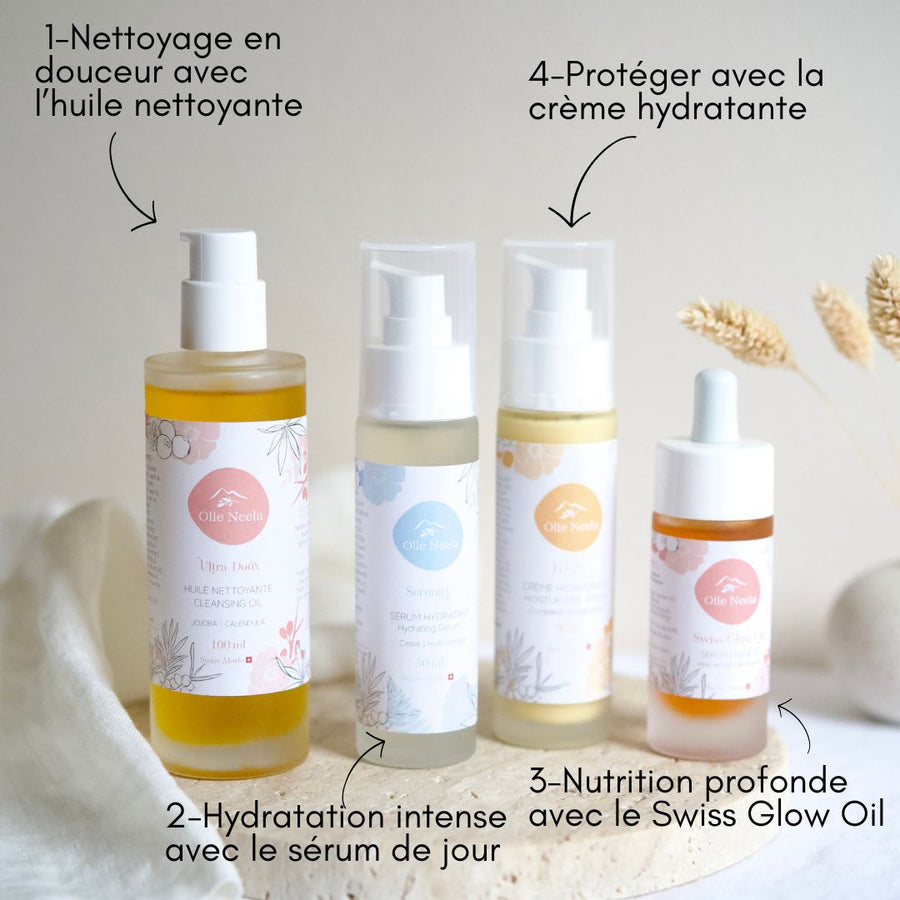
Balms and creams based on virgin oils will help to how to restore the skin barrier strengthening it from within. They will also form a hydrolipidic film that prevents moisture loss. It should also be known that balms are more moisturizing than creams, which are more moisturizing than oils used as is. Cerate is the most moisturizing form of all galenic forms. Here we see that it is necessary to know combine and formulate preparations optimally.
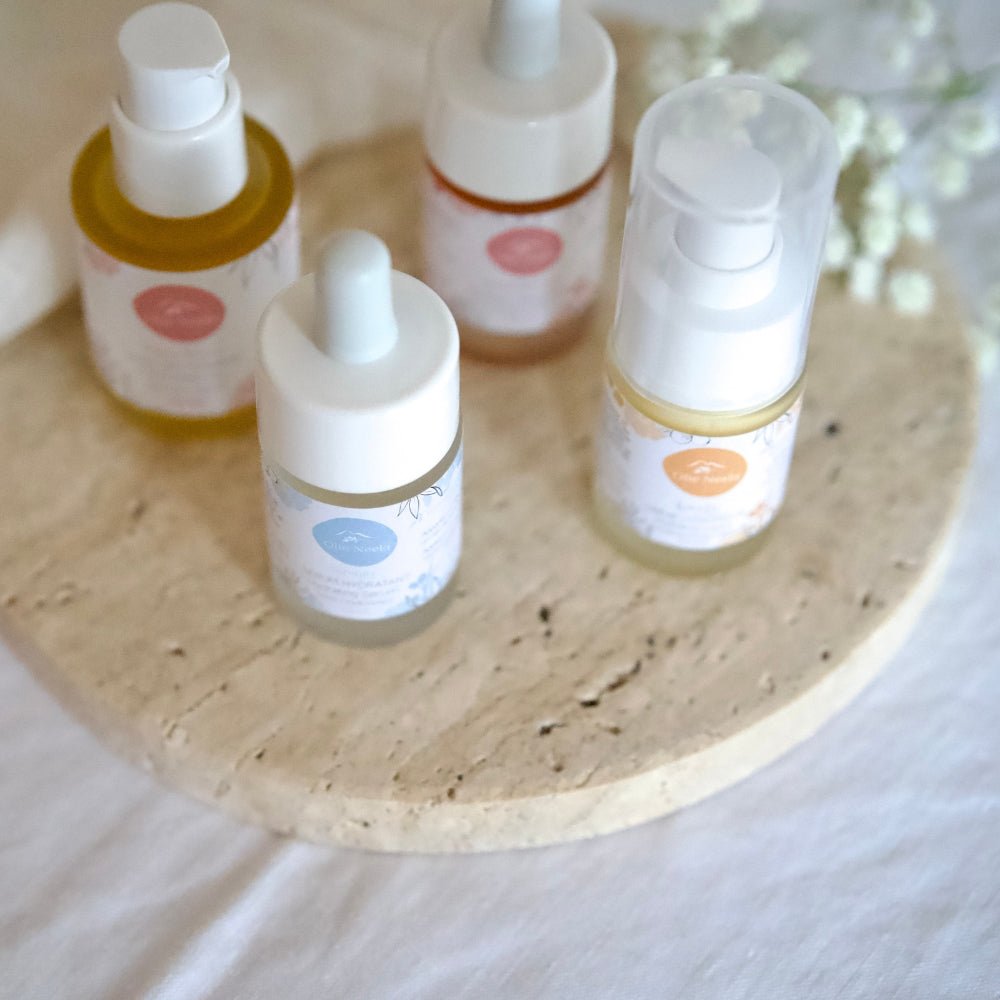
Cosmetics formulated with these precious organic cold-pressed oils will work with your skin, nourishing it deeply, soothing it, and helping it to strengthen over the long term.
This is not the case with creams containing mineral oils derived from petroleum, for example, which will just have a plaster effect and do not teach the skin to manage on its own. As a result, as soon as you stop using them, your skin is in distress and reacts to the slightest attack. Another problem with these "conventional" creams is that they contain preservatives or other chemical components specifically not recommended for atopic skin. Yet some are prescribed by dermatologists. Spot the error…
Habits to prioritize
- Use organic cosmetics without fragrance or petroleum derivatives with an easy-to-read ingredient list
- Use a fragrance-free and hypoallergenic face and body cleanser (same for shampoo)
- Strengthen the skin barrier by moisturizing at least twice a day : in the morning and evening and always immediately after bathing
- Stop applying cosmetics containing harmful, questionable, or irritating ingredients to the body
- Hunt down triggers (dust mites, molds, food allergens, too much heat or cold, irritating soaps)
- Reduce or eliminate cow's milk, fast sugars, industrial flours, and alcohol from your diet
- Favor organic foods or choose foods less exposed to pesticides
- Pat the skin dry with a clean towel after bathing (rather than rubbing)
- Cut and file nails regularly (this limits the risk of microbes under the skin when scratching)
- Wear clothing made of non-irritating fabrics (cotton)

The little extra things…
Manage stress and no longer be overwhelmed by it:
- Practice yoga several times a week to manage stress and oxygenate the body
- Practice mindfulness meditation
- Practice meditative walks in the forest
A healthier diet:
- Eat more vegetables and fruits
- Drink enough water: 2L/day
- Get tested to determine food allergies and intolerances and make the necessary eliminations
Supplements:
- Supplementing with Vitamin D
- Probiotic
- Borage and Evening Primrose oil cure internally
- Blackcurrant Bud or Cedar Bud cure
The little extra things:
- Thermal water (to spray on the body/patches)
- Dead Sea Salt baths
- Cold to soothe itching (cream in the fridge)
- Oat to soften bath water if it is too hard
Keep researching the condition to stay informed of little tips to know (Follow our blog or our social media)

Checklist of habits and things to avoid
- Using emollients containing petrochemical derivatives or allergens
- Using cosmetics unsuitable for atopic skin (fragrance, PEG)
- Taking hot, long showers or using (stripping) soaps: the skin loses its oils, dehydrates, and becomes even more fragile
- Having a diet too rich in sugars, dairy products, processed flours
- Living with triggers (dust mites, pollens, pets) unknowingly or doing nothing about it
- Enduring stress and aggravating factors without reinforcing preventive actions
With these tips and checklists, we hope you can soothe your itching and adopt a new suitable routine.
OlieNeela with a lot of love xx