

Atopic dermatitis: all you need to know about this condition!
Atopic dermatitis, doesn’t ring a bell? Yet, you surely know someone who suffers from it! This dermatological condition is characterized by skin dryness as well as the appearance of eczema-type lesions, which cause itching, redness, and crusts. Babies, children, and some adults can suffer from it.
Thus, to effectively treat atopic dermatitis, it is important to know more about this skin disease.
So discover in this article the causes of atopic dermatitis, its symptoms, and of course, its methods of prevention and treatment.
Definition
Also called atopic eczema, atopic dermatitis is a skin condition that is among the most common conditions in children. It can be detected very early: from the first months of life!
Parents, be vigilant when taking care of your children's skin.
Most of the time, atopic dermatitis disappears with age, but it can reactivate in adulthood.
What are the symptoms of atopic dermatitis?
How to know if you suffer from atopic dermatitis? Know that the first signs can already be visible in children from 3 months old or, in some cases, from the first days of life.
Red patches are observed on the forehead, cheeks, and sometimes on the baby's limbs. In adulthood, lesions persist much more in women, particularly affecting the knees, the elbow folds, and the face. There are even cases where the entire body is affected.

Atopic dermatitis is sneaky: it usually develops in the form of flare-ups interrupted by phases of calm and remission. Even if it calms down for a while, continue to take care of your skin, as it can return at any time, lurking in the shadows...
It often begins with the appearance of the following signs:
- itching that can even disrupt your sleep;
- skin redness;
- a skin dryness called Xerosis;
- the appearance of crusts on broken vesicles;
- slight elevations that form on the skin;
- vesicles in the form of small visible blisters in some people, which release a clear fluid that seeps when they break.
These symptoms are uncomfortable and can persist, but don’t worry, atopic dermatitis remains a benign disease.
Causes of atopic dermatitis
Why do we suffer from atopic dermatitis? The causes of this skin condition are multiple. It can be due to genetic, environmental factors, or allergenic substances. Moreover, these factors can add up, which may worsen the flare-ups.
- Genetic predisposition
If you have a parent who suffers from atopic eczema or associated conditions such as food allergies, allergic rhinitis, or asthma, you are likely to develop atopic dermatitis.

Allergic rhinitis can be linked to a genetic predisposition
This predisposition results from a fragile skin barrier and elements of the immune system that activate excessively.
Thus, when in contact with certain substances that can be completely harmless, the immune system defends the body as if it were the end of the world!
- Environmental factors
A dry climate, living in an urban area (pollution), contact with certain allergens (chemicals, pollen, etc.) are also risk factors for developing atopic dermatitis.
Moreover, exposure to the sun's infrared rays can worsen dermatitis, as it often causes an overproduction of heat.
How to prevent atopic dermatitis?
Primary prevention is difficult. Why? Because, as mentioned, the cause is often genetic, and unfortunately, nothing can be done at this level for now! However, flare-up prevention is possible by following these measures:
- Avoid smoking;
- Rinse properly after a sea bath since salt causes skin irritation;
- Air the room in summer and winter;
- Prefer wearing cotton clothes;
- Use organic and natural shampoos for washing hair;
- Use a hypoallergenic and fragrance-free soap for the skin;
- Maintain a good lifestyle (balanced diet, enough sleep, proper hydration...)
How to treat atopic dermatitis?
It is possible to get rid of atopic dermatitis, which sometimes poisons our daily life. Natural products are the best treatment against flare-ups. Indeed, remember that natural is just as effective, and above all healthier for the body!
First, choose treatments rich in soothing, anti-inflammatory, and hydrating ingredients. For example, ingredients like Aloe vera, shea butter, sea buckthorn vegetable oil, and Tamanu vegetable oil have excellent hydrating and soothing effects. They help strengthen the skin barrier to prevent it from allowing allergens or other triggers that will activate the immune system.

Also rely on essential oils such as Roman chamomile EO, matricaria chamomile EO, yarrow EO, etc. Thanks to their anti-inflammatory, repairing, and soothing properties, these will help relieve your skin and prevent secondary infections caused by scratching.
However, be careful, essential oils should be handled sparingly and are not recommended for pregnant women.
The Olie Neela routine
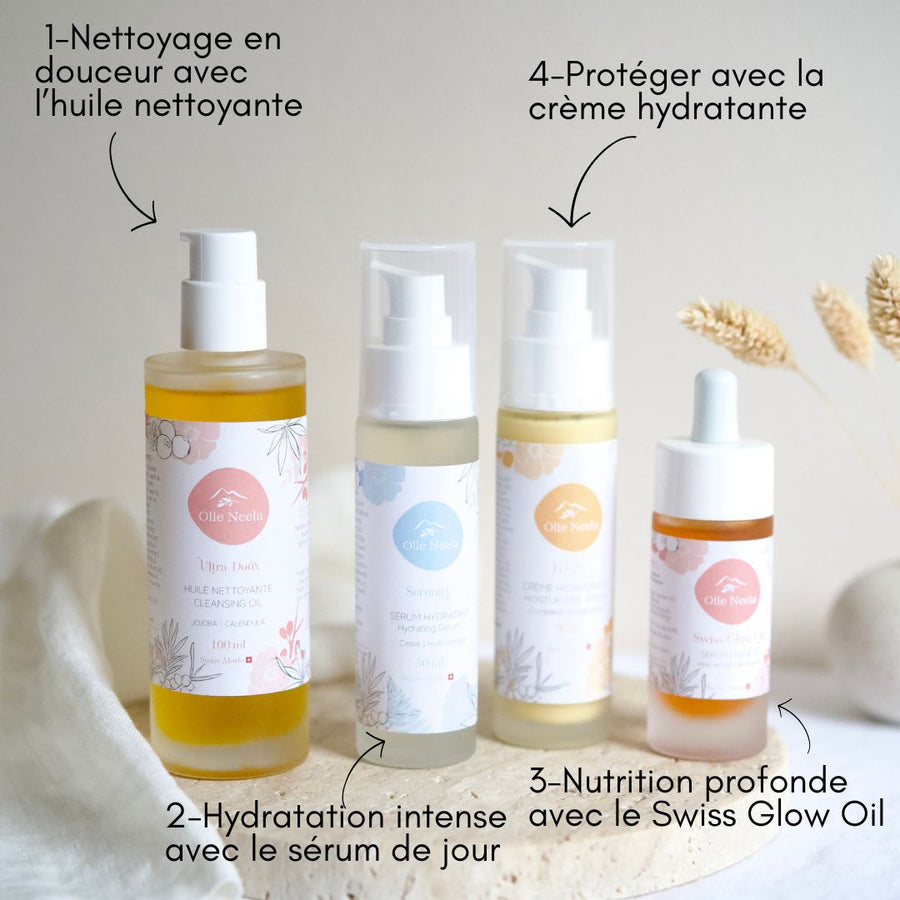
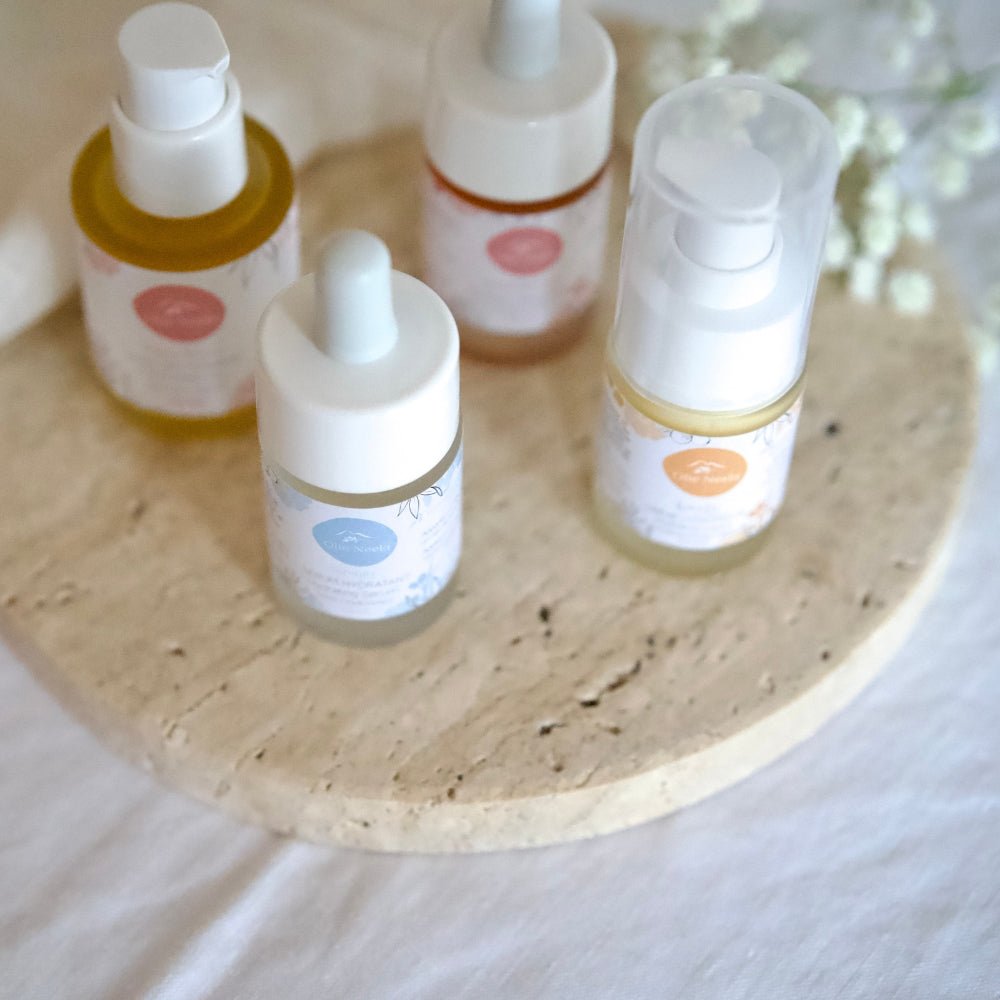
Our Olie Neela products contain the 100% natural ingredients mentioned above and are specially formulated for people suffering from atopic dermatitis.
We offer you a routine with our range to effectively treat atopic dermatitis while taking care of your skin and beauty.

Start by using the Olie Neela oil cocktail to apply before showering. This product prevents the skin from suffering the drying effect of soaps.
After showering, you can use the Rescue Essential balm or the “Soothe” fluid cream to hydrate and nourish the facial skin.
The “Hydrate” body milk, as its name suggests, deeply hydrates the body’s skin by replenishing water loss at this level.
Finally, to nourish and strengthen the skin, use the ultra-nourishing butter “Nourish”, rich in essential fatty acids that help restore the skin barrier.
For even more tips to take back control of your eczema, follow our complete guide.